

Health Facilities Hit
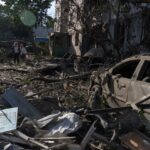
Weekend airstrikes struck a primary health center supported by the United Nations Population Fund (UNFPA) in southern Lebanon, along with a safe space for women and girls. Anandita Philipose, the agency’s Lebanon Country Representative, stated that these facilities are among the few places offering critical services in the area.
Additionally, a public hospital providing maternal care services sustained damage. Among the displaced are an estimated 13,500 pregnant women, including 1,500 expected to give birth within the next 30 days.
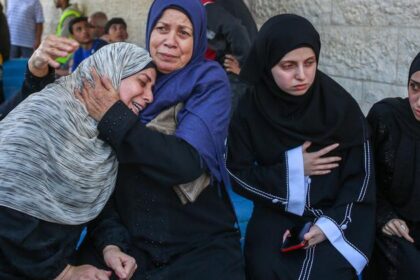
UNFPA warned that approximately 1,500 women in southern Lebanon are stranded without access to reliable, qualified care or safe birthing spaces. “When maternity services and hospitals are damaged and destroyed, it is pregnant women who lose access to life-saving services,” Philipose said.
Insecure Shelters
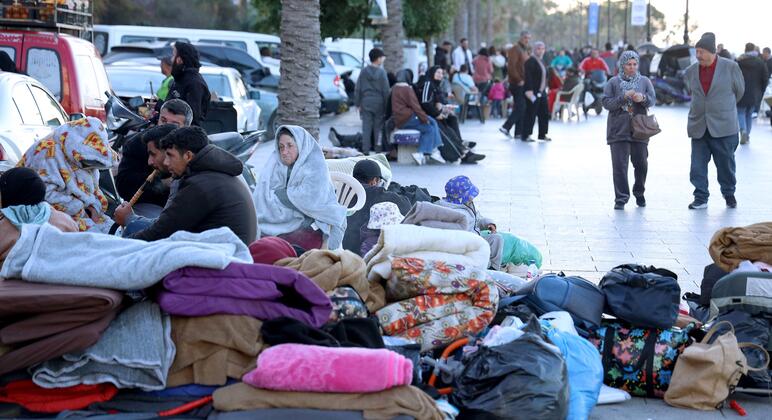
Philipose also highlighted the deteriorating conditions in shelters housing displaced individuals. Security assessments revealed that overcrowding, poor lighting, lack of privacy, and unsafe hygiene conditions increase the risk of gender-based violence, particularly for adolescent girls, female-headed households, pregnant women, and individuals with disabilities.
UNFPA, along with local partners and Lebanese authorities, continues to provide mobile maternal health services, psychosocial support, and protection assistance.
Funding Appeal
However, Philipose cautioned that humanitarian consequences could rapidly deepen without urgent and sustainable funding. The agency’s initial emergency appeal was only 30% funded, and $25 million is requested to sustain operations through August.
If funding continues to fall short, thousands of pregnant women could lose access to qualified birth assistance and emergency maternal health services. Mobile teams serving hard-to-reach communities may be forced to scale back or cease operations entirely. “Scaling back our operations means abandoning over 75,000 women from critical gender-based violence protection, case management, and safe spaces precisely when they need it most,” she added.