


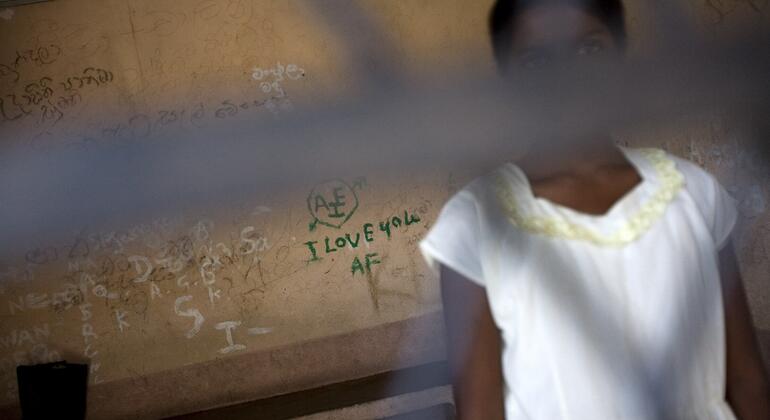
A United Nations report has revealed a disturbing pattern of abuse, including torture and rape, within Southeast Asia’s multi-billion dollar scam operations. Hundreds of thousands of individuals from at least 66 countries have fallen victim to these schemes, often lured by false promises of legitimate employment only to be subjected to violence and forced participation in online fraud.
The report, titled “A wicked problem,” details a “litany of abuse” and highlights the alarming treatment endured by those trapped in these scam centers. It is based on extensive interviews with survivors and information from various confidential sources, published by the Office of the UN High Commissioner for Human Rights (OHCHR).
The Business Behind the Abuse
The “scam industry” has expanded to an enormous scale, with estimates suggesting around 300,000 people are involved in operations across Southeast Asia, particularly in the Mekong region. Credible estimates place the global annual revenue at approximately $64 billion, with the Mekong region alone potentially generating over $43.8 billion annually. These operations are described as “entrenched” and “well-resourced,” operating from remote areas to major cities.
UN High Commissioner for Human Rights Volker Türk stated, “The litany of abuse is staggering and at the same time heart-breaking.” He added, “Yet, rather than receiving protection, care and rehabilitation as well as the pathways to justice and redress to which they are entitled, victims too often face disbelief, stigmatization and even further punishment.”
Inside the Lavish Compounds
Survivors have described vast compounds, some over 500 acres, resembling “self-contained towns” fortified with barbed wire and guarded by armed personnel. These facilities often include amenities like supermarkets, restaurants, casinos, and brothels. Smaller operations are run from apartments or hotels, but control is a common feature. Victims reported confiscated passports, restricted communication, constant surveillance, and severe punishments for escape attempts, with many compounds referred to as “prisons.”
Coerced to Commit Crimes
Individuals trafficked into these compounds are forced to conduct various online scams, including impersonation, cryptocurrency schemes, gambling platforms, extortion, and romance scams. The operations are highly organized, with specialized units for recruitment, script development, and financial transfers, often laundering profits through complex digital channels. Victims reported experiencing or witnessing severe mistreatment amounting to torture, with public punishments for underperforming teams.
Deaths in the compound were frequently mentioned by victims.
Sexual violence, including rape, forced prostitution, and forced abortions, has reportedly increased since 2024. Both women and men have experienced sexual assault and humiliation. Victims endured severe conditions, including food and sleep deprivation, and extreme working hours.
Abuse as Enforcement
Failure to meet scamming quotas leads to severe punishments. Survivors have recounted being subjected to “water prisons” for hours, confinement in complete darkness for days, and being forced to witness or participate in abuse against others. Sexual violence has reportedly escalated, with women experiencing rape and forced abortions, and men facing sexual humiliation.
What OHCHR Says Must Happen
The OHCHR emphasizes the need for coordinated, human rights-based action to combat the convergence of cybercrime, corruption, and human trafficking. Key recommendations include:
- Embedding the “non-punishment principle” in law for victims forced to commit crimes.
- Guaranteeing safe rescue operations and legal protections.
- Providing trauma-informed medical and psychological rehabilitation.
- Expanding safe labor migration pathways and tightening oversight of recruitment agencies.
- Cracking down on corruption enabling scam compounds.
- Strengthening cooperation between governments, digital platforms, and financial institutions.
Wage Theft, Debt, and Ransom
Victims were often promised high salaries but faced deductions, fines, and escalating “debts.” Contracts were frequently presented after arrival, imposing unrealistic profit targets. Some victims were threatened with beatings or being “sold” if they failed to generate thousands of dollars daily. Families were sometimes forced to pay ransoms of tens of thousands of dollars under duress.
Corruption and Impunity
The report highlights allegations of collusion between criminal syndicates and officials, with victims reporting facilitated immigration and payments to police. Corruption is described as “deeply entrenched” in these operations. While law enforcement raids have freed thousands, concerns remain about compounds resuming operations or relocating.
After Release: ‘Escaping a Tiger Only to Meet a Crocodile’
Freedom does not guarantee safety. Many victims face detention, fines, or prosecution for crimes they were forced to commit. OHCHR stresses the “non-punishment principle” for trafficking victims. High Commissioner Türk stated, “Effective responses need to be centred in human rights law and standards.” Survivors often return home traumatized, indebted, and stigmatized, facing threats and mental health challenges, with some considering further migration.