

Najla Nassif Palma, a UN victims’ rights advocate, has called for enhanced support for survivors of sexual exploitation and abuse perpetrated by UN personnel. In an interview with UN News, Palma emphasized the critical need for Member States to provide greater assistance to survivors, stating that significant progress is still required to ensure they receive justice, protection, and long-term support.
Following the release of her 2024–2025 annual report, Ms. Nassif Palma reiterated that her mandate focuses on ensuring victims are not overlooked and that their rights to a voice, assistance, and justice are guaranteed. The Office of the Victims’ Rights Advocate, established by Secretary-General António Guterres in 2017, strives to implement a victim-centered approach throughout the UN system, ensuring survivor perspectives influence prevention, response, and accountability measures.
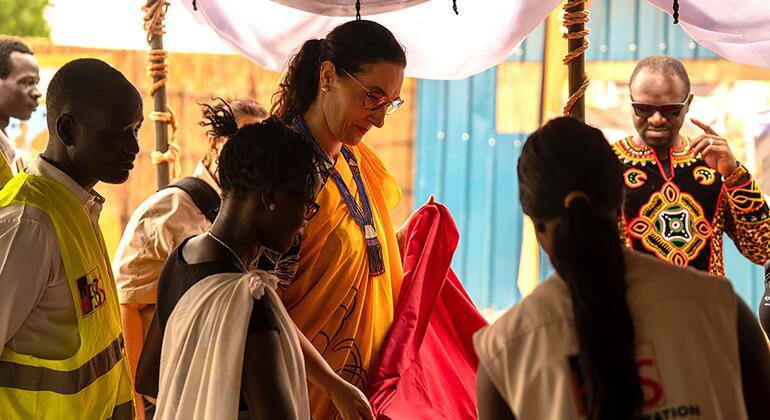
Ms. Nassif Palma, the second senior official to hold this position, highlighted the importance of direct engagement with victims. She has visited over 10 countries in the past two years to meet survivors and understand their experiences and concerns firsthand. “The first step is to listen to the victims,” she stated, acknowledging their courage and resilience as key motivators for her advocacy.
Her office collaborates closely with field-based Senior Victims’ Rights Officers and Victims’ Rights Focal Points. These individuals provide community-level support to survivors, connecting them with essential services such as medical care, psychosocial support, legal aid, education, and livelihood opportunities.
Expanding Assistance and Support
The recent report details advancements in extending assistance to victims and children affected by exploitation and abuse. This includes support for school fees, skills training, and income-generating activities aimed at fostering survivor independence and dignity. Ms. Nassif Palma noted that an increasing number of UN entities, including peacekeeping missions like MINUSCA (Central African Republic), MONUSCO (Democratic Republic of the Congo), and UNMISS (South Sudan), are now dedicating resources to victim assistance. “We are improving how the UN listens to victims and includes their voices in decisions that affect them,” she remarked.
She underscored the value of partnerships with civil society organizations, particularly women-led groups, in ensuring that survivor experiences inform UN policies and programs. The report also outlines efforts to strengthen victims’ rights within the UN’s investigative, disciplinary, and judicial processes. Survivors must be kept fully informed about their case status, protected from retaliation, and empowered to decide their level of participation in investigations, according to Ms. Nassif Palma.
Paternity and Child Support Claims
A significant focus has also been placed on collaborating with governments to advance paternity and child support claims for survivors. The report indicates that some Member States have begun offering lump-sum payments or interim financial support to victims and children while legal proceedings are ongoing. Despite these positive developments, Ms. Nassif Palma cautioned that substantial challenges persist. She called for more specialized personnel on the ground, sustained and predictable funding for assistance programs, and stronger political commitment from both the UN system and Member States.
“We need more support for victims at every step of the accountability process, including protection, clear updates on their cases, and real progress on long-standing paternity and child support claims,” she urged.
‘My Voice is Here’ for Survivors
Her message to survivors is one of encouragement: “Come forward. We are here to support you. My voice is here to advocate for your rights.” She implored governments and UN entities to translate their commitments into tangible actions. “To move forward, we need sustained commitment across the UN system and Member States to truly put victims’ rights first and turn promises into real change in their lives,” she concluded.