

A Dark Chapter
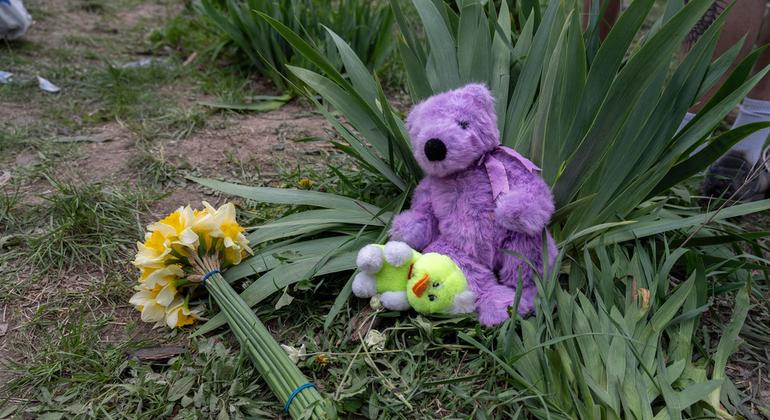
The United Nations’ annual Children and Armed Conflict (CAAC) report reveals a record high in grave violations against children in 2025. The report documents six key violations: killing and maiming, recruitment and use of child soldiers, abduction, rape and other forms of sexual violence, attacks on schools and hospitals, and denial of humanitarian access. In 2025, 38,558 grave violations were verified, affecting 24,174 children, with many enduring multiple violations. Girls constituted one-third of the victims. These figures represent the highest number of children affected since the UN’s CAAC mandate was established 30 years ago.
State Actors Emerge as Primary Perpetrators
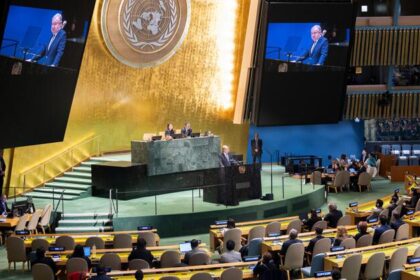
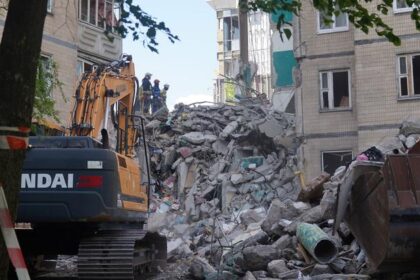
For the first time, state actors were identified as the primary perpetrators of grave violations against children, according to the report. This trend is particularly evident in killings and maiming, attacks on schools and hospitals, and the denial of humanitarian access. This disturbing shift occurred amidst escalating conflicts, the widespread use of explosive weapons in populated areas, and the increasing integration of artificial intelligence (AI) in targeting processes. UN Secretary-General’s Special Representative for Children and Armed Conflict, Virginia Gamba, stated, “2025 was undoubtedly one of the darkest chapters for the protection of children since monitoring began.” Gamba highlighted that the fact that states, obligated to protect children, are instead contributing to their suffering signifies a deeper erosion of respect for international law.
Escalation in Killing and Maiming
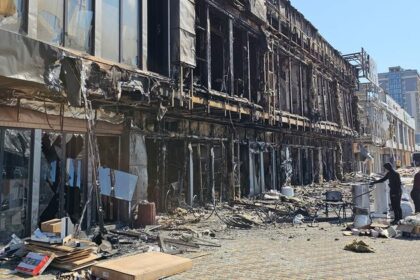
Regions with the highest violation levels included the Occupied Palestinian Territories and Israel, the Democratic Republic of Congo, Nigeria, Myanmar, and Somalia. Where possible, violations were attributed to warring parties listed in the report’s annexes. Killing and maiming remained the most verified violations, with 6,266 children killed and 7,958 maimed in 2025. The report noted these violations have reached “alarming levels,” with increases of 34% and 10%, respectively. “In many instances, military strategies have disregarded the principles of distinction and proportionality, the special protections afforded to children, and the obligation to take all feasible precautions, putting children in foreseeable and avoidable danger,” the report stated.
Denial of Aid, Rape, and Explosive Weapons
Incidents of denial of humanitarian access numbered 8,322, and 6,607 children were recruited as child soldiers in conflicts. Furthermore, 5,129 children were abducted, often for recruitment, use, or sexual violence. Meanwhile, rape and other forms of sexual violence persisted, with an increase confirmed in cases of mass rape used as a tactic of war. Children were also vulnerable to landmines and explosive remnants of war, which continue to kill and maim even after conflicts end, leading to lifelong disabilities, trauma, and obstacles to education and reintegration for survivors.
Rebuilding Young Lives
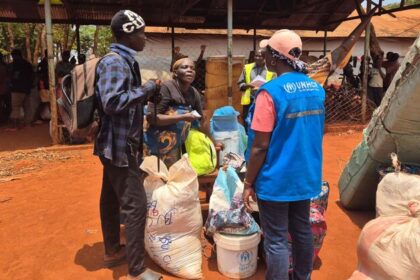
Last year, 1,667 children were detained for their alleged or actual association with parties to conflict. Gamba emphasized that these children should be treated as victims and that detention should be a measure of last resort, stating that reintegration programs are essential for peace. “Reintegration is where a child’s future, and our future as humanity, is rebuilt,” Gamba said, calling on the international community to increase political and financial support for children released from armed forces and groups, including those with disabilities. She also urged all parties to ensure the immediate provision of safe, rapid, and unimpeded humanitarian access.
The Obligation to Protect
The CAAC mandate marks its 30th anniversary this year, and while the situation for children has sharply deteriorated in some regions over the past year, significant progress has also been made. For instance, 13,112 children associated with armed forces or groups received protection or reintegration support. Approximately 40 commitments were made by parties to conflict in places like Somalia, Ukraine, and Colombia, including handover protocols, capacity-building initiatives, unilateral commitments, and bilateral dialogues. Highlighting the anniversary, Gamba stated, “Words are not enough; sustained and determined action is required,” because “protecting children is not an objective, it is an obligation.”