

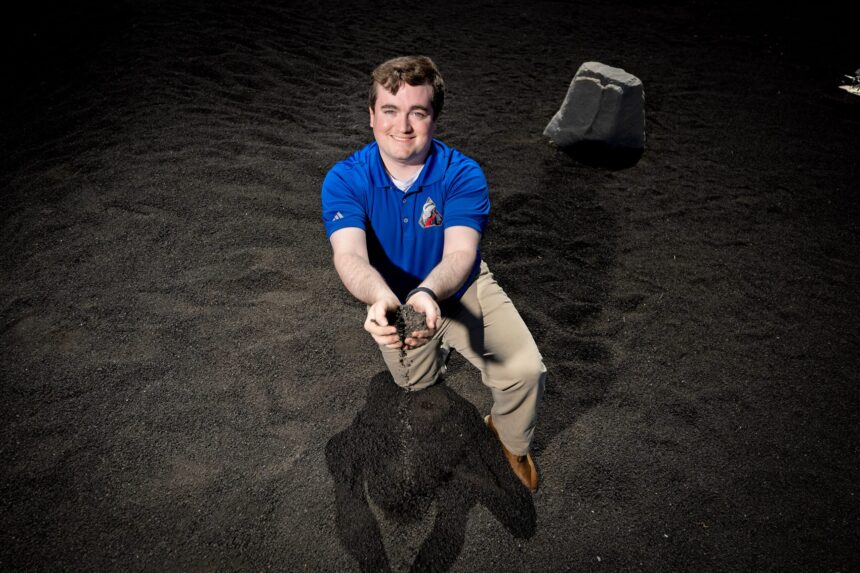
Daniel Stubbs, an aerospace engineer at NASA’s Marshall Space Flight Center, is studying the complex interaction between rocket exhaust plumes and lunar regolith. His work is crucial for ensuring the safety of astronauts and the success of NASA’s Artemis missions, which aim to land humans on the Moon.
Stubbs, who specializes in plume and aero environments, models how rocket exhaust will affect the lunar surface. This research addresses potential hazards, such as dust obscuring instruments and damaging equipment, which were highlighted by NASA’s Apollo missions. The abrasive nature of lunar regolith, formed over millennia from meteoroid impacts, poses a significant risk to spacecraft, spacesuits, and other essential equipment.
Modern lunar landers, designed to be larger and heavier than their Apollo-era counterparts, present new challenges. Unlike the Apollo Lunar Modules, these new landers will use the same engines for both descent and ascent, making accurate prediction of plume-surface interactions critical for mission success and safe return to Earth. Stubbs’s work, which began during his graduate studies with a NASA Early Stage Innovations grant, directly contributes to overcoming these obstacles.
“The dust and regolith plume can make it difficult for instruments on the landers to see the surface of the Moon,” Stubbs stated. “If these instruments don’t report correct readings to the guidance computers, it could affect a lunar landing. Also, when a lander takes off from the surface to return astronauts to Orion, the lunar regolith blown away from the landing site by the rocket plumes could damage scientific instruments or other assets that have been deployed on the surface of the Moon.”
NASA’s Human Landing System program is conducting extensive ground-based studies to simulate lunar conditions. Tests in a 60-foot space simulator chamber at NASA’s Langley Research Center aim to replicate the environments lunar landers will encounter. These studies will provide vital data on aerodynamic forces, heating, and surface stability, helping engineers design landers that can withstand the lunar environment and operate reliably.
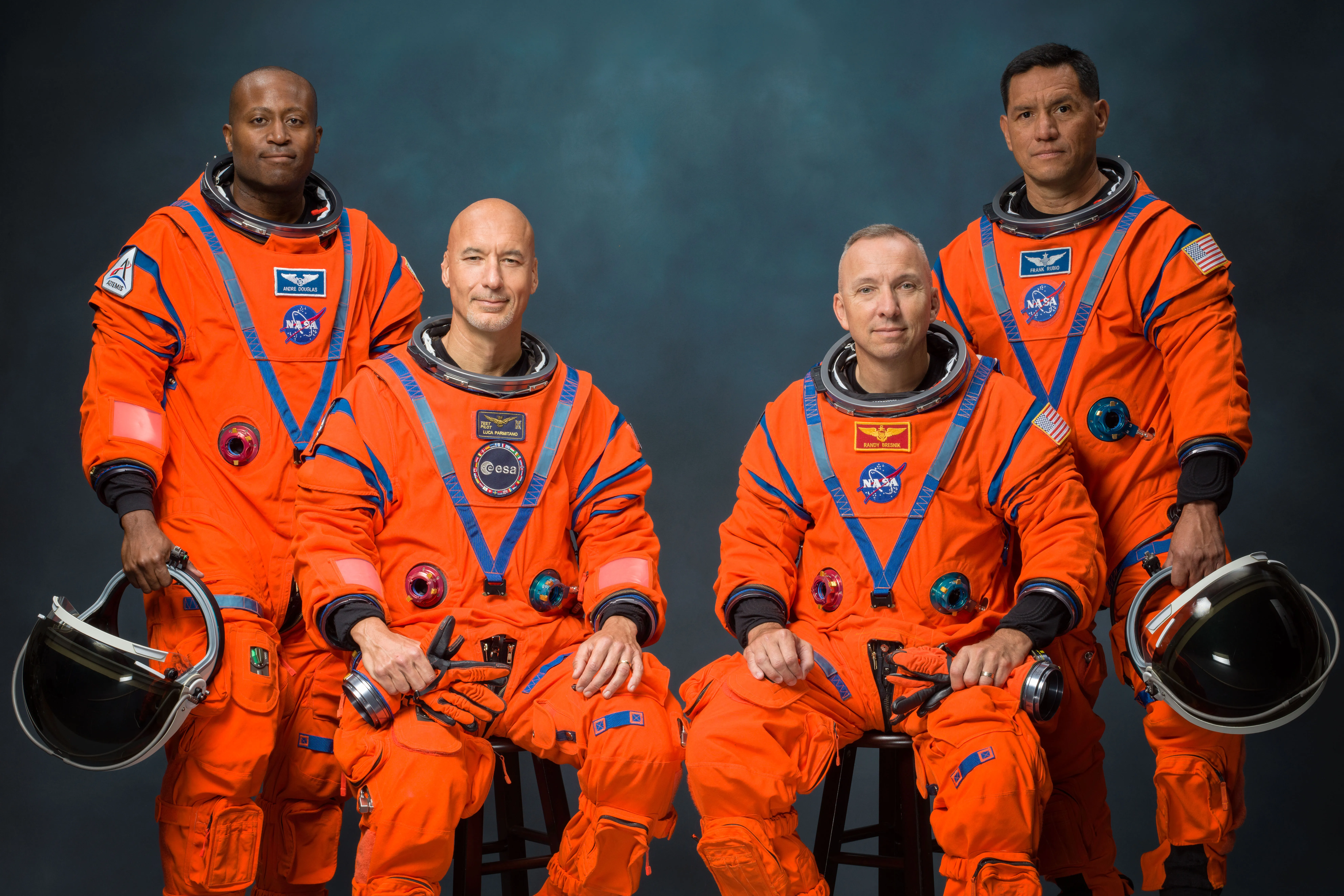
As NASA prepares to land American astronauts on the Moon in 2028 through the Artemis program, Stubbs’s research on lunar dust and regolith plumes will be instrumental. The Artemis program seeks to establish a sustainable human presence on the Moon, paving the way for future crewed missions to Mars and benefiting all of humanity.
For more information on NASA’s human landing systems, visit: https://www.nasa.gov/humans-in-space/human-landing-system/